

Global Authentic DMC is a one-stop solution for individuals / Groups / MICE / Corporate. Global Authentic DMC is Global Destination Management Company and have experience & worked with famous DMC within India & overseas. We are destination experts for organizing Inbound Tours to India, Nepal, Sri Lanka, Qatar, Portugal, Vietnam, Thailand, Turkey, Saudi Arabia, South Korea and Japan for leisure / corporate clients.
 +91-9871809314
 info@globalauthenticdmc.com
GLOBAL AUTHENTIC DMC (24x7/365)
655-B2, Street No: 4, Anand Parbat,
Delhi (India) - 110005.

 Bhutan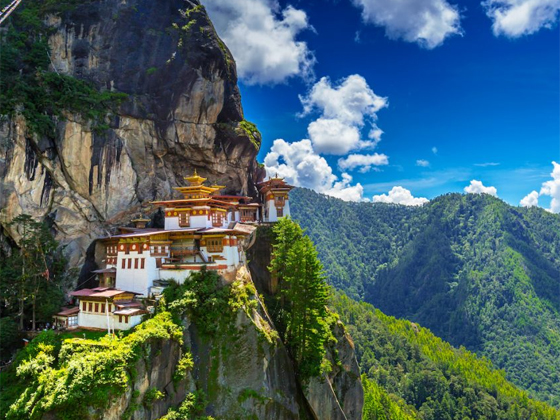
Nestled in the folds of the eastern Himalayas, remaining in self-imposed isolation for centuries, Bhutan opened to the world at a glacial pace. The population lived in close harmony with nature, developing a unique identity, largely derived from a rich religious and cultural heritage. This country of 700,000 people, about the size of Switzerland, is the only Mahayana Buddhist country in the world. Buddhist respect for all sentient beings has helped Bhutan protect its pristine ecology and wildlife. This sufficient population has never been colonized and has had limited contact with the outside world. Buddhism was founded in the 8th century by the Indian saint Padmasambhava, popularly known in the tantric tradition as Guru Rinpoche.
Perhaps the most dynamic era in Bhutan's history occurred in the 17th century with the arrival in 1616 of Zhabdrung Ngawang Namgyal, the great leader of the Drukpa school of Mahayana Buddhism. He unified the country and established the basis for national governance and Bhutanese identity. In 1907, a historic assembly of the clergy, official administration and the people unanimously elected Gongsar Ugyen Wangchuck as the first hereditary king of Bhutan, thus beginning the glorious era of the Wangchuck dynasty. In 2006, the fourth king of Bhutan, Jigme Singye Wangchuck announced that he would abdicate in favor of a constitutional monarchy with parliamentary democracy. 2008, the year that marked 100 years of the monarchy, saw two important events: the first democratic elections and the coronation of the fifth king, Jigme Khesar Namgyel Wangchuck.
Facts and Figures
Land Area: 38,394 square kilometers
Forest Area: 72.5%
Altitude: Between 240 meters and 7541 meters above sea level
Population: 700,000
Language: Official language "Dzongkha", English widely spoken
Religion: Vajrayana stream of Mahayana Buddhism
Currency: Ngultrum (equal to the Indian rupee)
Capital: Thimphu